
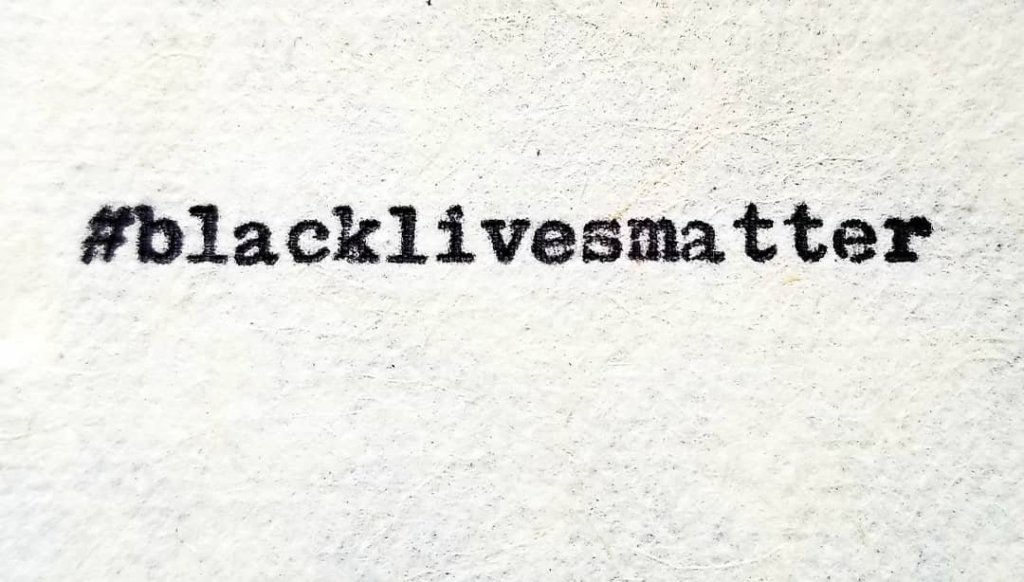
When I was born, we lived in the house behind that of my Puerto Rican grandmother and Peruvian grandfather. What I remember is grandma’s quiet grace, Pop’s bitter grumblings, wine jug in hand, and my Mom’s childhood stories of the alcoholic rages and the bruises he left on my grandmother. I had yet to hear about the house fire that took the lives of his young siblings in Peru, or the physical and emotional toil of his life as a dark-skinned immigrant merchant marine. I just knew Pop was angry ‘til his last breath.
When I was a young child, I attended a Spanish speaking church with my grandma. What I remember is the kindness of the teacher, who sat me in a chair next to her so she could translate the lessons to English for me – and my wishing she didn’t have to. I had yet to learn that the word “illegal” could be applied to any human being, let alone some of the other children in that classroom. I just knew that as the only non-Spanish speaker I felt different, like I was the one who didn’t belong.
Growing up, I spent countless summers and holidays with my paternal grandparents, the only white family in a predominantly black neighborhood. What I remember is my uncles and their friends playing football in the street, my grandmother and aunt sitting on the short cinder block wall sharing laughs with their friends who lived down the block. I had yet to hear terms like “ghetto” or “the ‘hood,” so I had no connotation for what they meant, and certainly didn’t apply them to the people there. I never thought about why neighborhoods like this existed, where most of the houses were filled with families of the same race or culture. I just knew it felt like another home to me.
When I was a senior in high school, my first boyfriend was a dark-skinned young black man. What I remember is feeling special and wanted, until he stopped acknowledging me in the halls between classes and made it clear that we could only spend time together when his friends were not around. I had yet to know my country’s history of targeted violence against black men in relationship with white women, or the ridicule that he probably faced from within the black community. I just knew that it hurt, and for some reason my whiteness and his blackness mattered.
When I started working, I was introduced to what life looked like on the other side of the tracks. I found myself in gated communities or on beachfront properties, in unfamiliar areas with pleasant sounding names – sitting at tables in large, luxurious homes where I felt exceedingly small. I remember being spoken to in broken Spanish by people who assumed I was there to clean the toilets and empty the trash, and wondering why the tone changed so drastically when it was discovered that I was there to manage the money. I became familiar with assumptions about who I was and started making the choice not to correct them. I had yet to understand the damage that my silence could do or the part that it played in the larger narrative. I just knew that it was easier, and potentially better for my career and my future if I played along.
When I was newly married, my dark-skinned Filipino/Mexican husband was stopped by local police on his way to work in a predominantly white residential neighborhood, for what the officer described as “overwhelmingly loud music” coming from his car. What I remember is the disbelief I felt, knowing that my husband’s car stereo had been stolen three days prior. I was indignant that he was accused of a literal impossibility, when in fact he had been the victim of a crime, and I was even more angry that he didn’t point this out to the cop. I had yet to come to terms with how frequently this type of thing happened to him, and how exhausted he was at having to deal with the assumptions he faced daily, which were clear every time he was told that he “looks like a gangster.” I just knew it was wrong and felt helpless to do anything about it.
I’m forty-four years old now and I am embarrassed that it’s taken me this long to come to the table, especially because this isn’t my first encounter with the boiling point. I watched my city burn almost thirty years ago; the flames stoked by the same injustices that provoke us today. I am ashamed of how often I have made the active choice to avoid difficult conversations. But the manifestation of pain and abuse that I see around me in every direction is pleading for truth – your truth and mine. There is too much at stake to continue burying our stories under a blanket of fear and shame.
Change hurts, which is why we don’t like it. Confronting ourselves can be excruciating, but it’s where taking charge of personal responsibility begins, and that is powerfully worth it. None of this comes quickly or easily, and it’s a mistake to expect that it will. But it starts with the willingness to be vulnerable. To speak our stories out loud. To invite others into our brokenness. To hear, not just listen, and to accept the truth of what we are hearing. To shatter the expectation of “fixing” anything, replacing it instead with the reality of coming alongside each other – of showing up.
Today I am exposed, liberated, and humbled by the hearts around me who are sharing their truths, exposing, liberating, and humbling themselves in the process. And it is a process – one that I am committed to working through, alongside those who choose to join me.

 Carrie Joy(ful)
Hi Carrie! I’ve been meaning to email you. Praise the Lord for your powerful post. I appreciate your authenticity and transparency. May I share your writing with others? Humbly His,Joyce
LikeLike
Thank you for reading and hearing my heart Joyce. Absolutely, you’re always welcome to share anything I write here.
LikeLike
Your writing are amazing. Thank you for being a friend
LikeLike