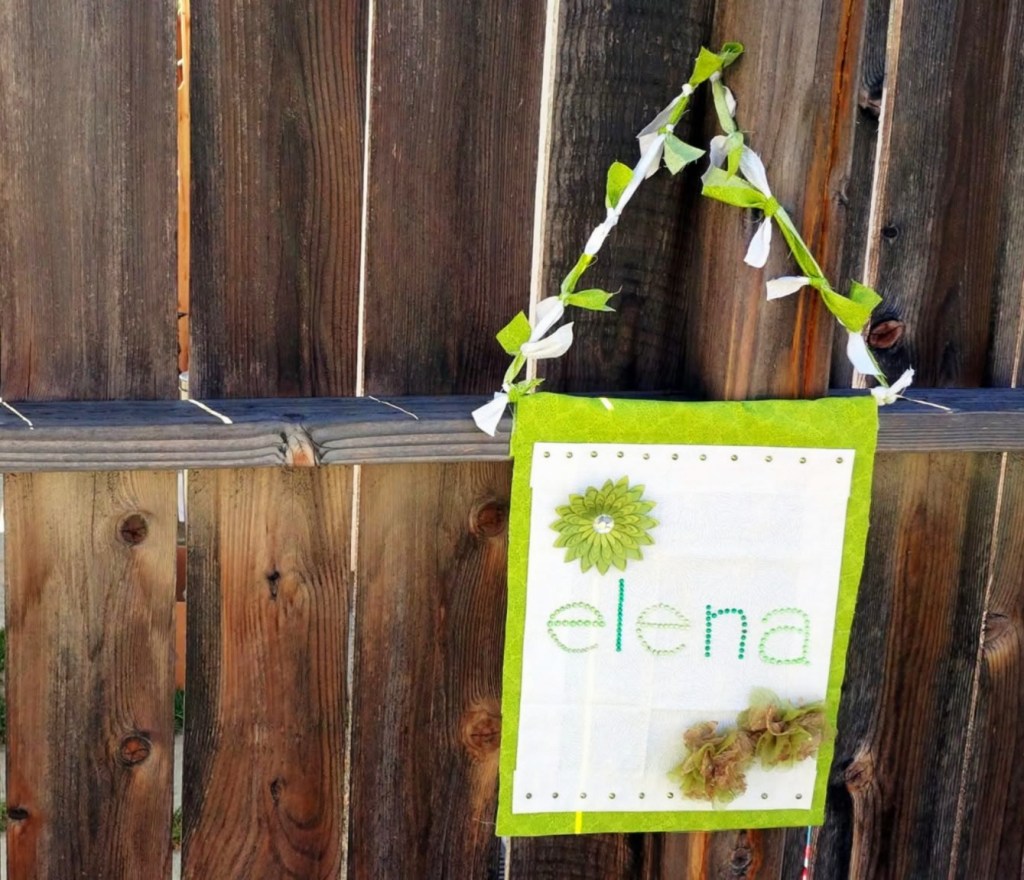
I read an article some years ago about the physical connection between mothers and their babies. Beyond the obvious, it presented the details of a scientific study that proved a lasting bond at the cellular level. It’s called fetal microchimerism, which is a science-y way of saying you gave part of yourself to me before you were born. Cells that even now, decades later, help make up my skin, my blood, and the marrow in my bones.
Those little cells mean more to me today than any other time of year. Maybe because this is the day when I remember the entirety of your life happened inside me. You were alive, heartbeat strong, until my body couldn’t hold you anymore. Then you were gone.
Except for those persistent little cells.
When I think about this, I realize how much has changed in the last twenty-three years. How much I’ve changed. Back then I pushed to keep you present, your name spoken aloud regularly. Worried if people forgot, you might somehow disappear from having ever existed. Like I would be forced to let you go in a deeper way than I already had.
These days, I feel a strange comfort in the quiet knowledge that part of me isn’t me at all, it’s you. I carry those little cells with me like a wonderful secret, one that I choose to share from time to time. But mostly I just hold it close, thankful it’s mine. That you’re mine.
That’s enough for me today, on your twenty-third birthday. Your little cells, and your brother’s weekly visits are just about the only things that make sense to me. I don’t have to look far to find chaos and confusion in this world, but the part of you still alive in me helps quiet the noise.
Happy Birthday Elena, my shining light. You are, and always will be, my favorite girl.
I consider myself a night owl. The past eight years of working full-time while homeschooling have somewhat solidified that label, as the late-night hours when the house is quiet are some of my most productive times.
But there’s just something about mornings.
When the blue of night begins to brighten and the sky comes alive in golden hues, everything you see is washed in rays of hopefulness. The past is passed, and what lies ahead is newness and opportunity. Morning is the introduction to the day ahead, and a reminder that we’ve got life to live.
All the more on Easter morning, the very day that defines new life.
Morning does not bring about the promise that things will go the way we want them to. After all, there was a morning on Good Friday too. Sometimes morning gives way to dark clouds and frightening storms – to loss and grief that cause our hearts to cry out for God to rewind it all back to yesterday. Instead, we feel Him faithfully beside us, leading gently forward.
Though there will be mourning, there will also be morning.
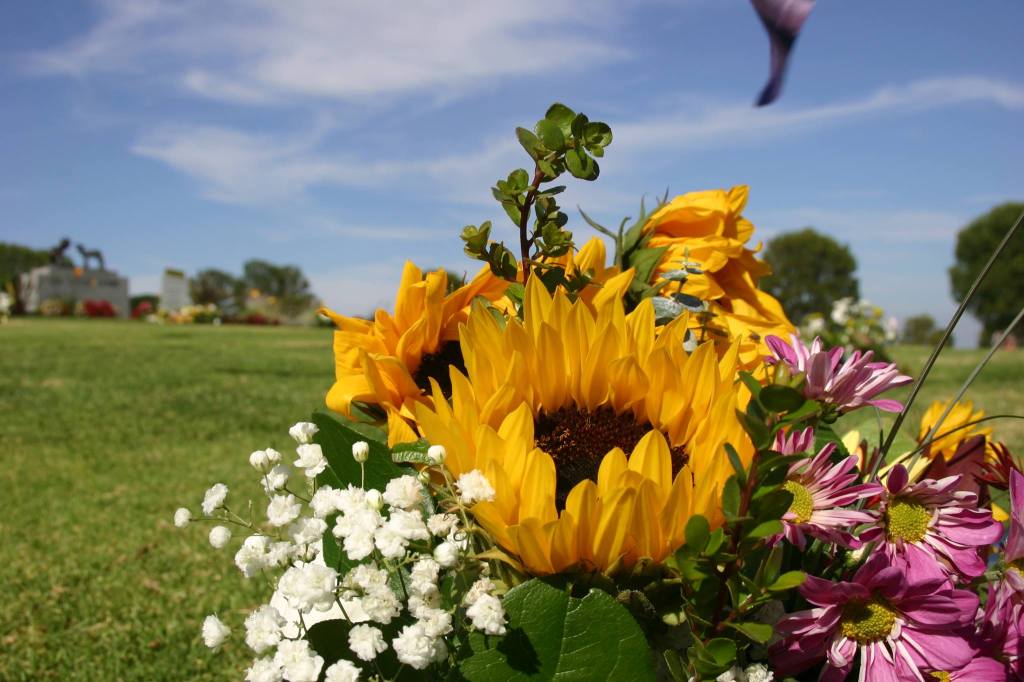
Every Easter Sunday I watch the sunrise from my daughter’s grave, up high on a hill overlooking the harbor. When I’m there I remember the mornings of the hardest days – the day that hello was followed too quickly by goodbye, the day I had to go home without her. But I also rejoice in God’s presence, manifested in the beautiful display of morning. And I thank Him for the opportunity to celebrate that miraculous morning at His Son’s grave when the world was forever changed.
Morning is coming.
The inevitability of morning points us to the promise of Jesus – that He is who He is. That He lives. That His love holds us through the darkest night, carries us into the next morning, and stays.
May our hearts find hope in the morning, the resurrection of the sun, and the returning of the Son.
Right about now you may be enthusiastically experiencing the “newness” of 2022. You might be thinking about the goals and commitments you purposed for yourself this year. Perhaps you’ve chosen a word or a phrase to guide you or purchased a bright new day planner with the perfect vibrant print to help keep you motivated and organized in reaching your objectives. Or maybe you’re like me and while looking at the calendar this morning you wondered how it is that the first half of January passed you by while you’ve been digging out from under the chaos that was December. The good news is whether you’re excitedly charging ahead or exhaustedly crawling out from under the covers, God has much more to offer you than a new year.
I’ve never been one to set specific intentions for myself when the calendar rolls over each year. Probably because I know that when it comes to resolutions, I’m a way better breaker than a maker. It’s not that I don’t want to better my health or habits. But my tendency toward feeling overwhelmed when things don’t go according to plan does not reconcile well with the concept of resolutions. Admittedly I’ve too often allowed a stumble on the path to lead me entirely off course. And it’s uncomfortable to face the part of myself that’s a little too quick to throw her hands up and the towel in.
That’s the truth of my humanity, and it ain’t pretty. In fact, Isaiah 64 says that in and of myself the most righteous things about me are filthy rags. Fortunately for me, truth is what God seeks from me. He isn’t looking for me to become new every 365 days. His profoundly loving sacrifice made me new in one miraculous moment, and every day since that one is meant to be my continual pursuit of His truth. He calls me to keep moving forward in His direction, promising to be by my side in every confident stride as well as every shaky, stumbling step.
Reading the first chapter of Isaiah recently prompted me to look more closely at common attitudes and practices surrounding the new year. When God speaks to a people whose priorities are upside down – who value ritual over relationship with their Heavenly Father – I am compelled to examine my own intentions. Am I looking to better myself so that I can step more fully into becoming the person God created me to be, or to meet the standards of those around me? Is my desire to convince God how much I love Him or is it simply to love Him more? When faced with discomfort and difficulty, are my responses meant to glorify God or control outcomes?
The right answers to these and all the questions I ask myself are the true ones. And that’s the beauty of God’s grace. Instead of demanding perfection He asks for honest hearts. Instead of requiring that we become self-sufficient He invites us to lean into His care. Psalm 31:5 tells us exactly who He is, that we should put our trust in Him – “…thou hast redeemed me, Oh Lord God of truth.” So, as I look at what lies ahead for each of us, I pray that our thoughts and aspirations for the new year are rooted in hearts focused on a true year.
I was a seventeen-year-old freshman in college, away from home for the first time in my life, when I found out that our dorms would be shut down for Thanksgiving. It was just a few days before the holiday and to be honest I wasn’t initially alarmed because I didn’t understand what this meant. “Shut down” as in the cafeteria would be closed? No access to the computer lab or laundry facilities? “No problem,” my roommate and I thought to ourselves. We figured we’d stock up on enough pre-packaged food to get us through the four-day weekend and watch the Macy’s parade together on the television set propped up by our mini-fridge.
It turned out that “shut down” meant something far more problematic. Like, everyone has to leave, and the building gets locked up. “You’re not allowed to stay,” I remember one of the other students on our floor saying. He was a local and apparently far more up to speed than we were on how this whole college thing worked. That’s when my heart began to beat faster and I felt a knot in my stomach. Neither my roommate nor I could afford to fly home to Los Angeles from Boston, especially on such short notice. There was no money for a hotel either. We hadn’t gotten to know anyone in the city all that well yet. Suddenly the place that had come to represent freedom and independence left me feeling small and helpless.
After some anxious, tear-filled phone calls home and to university administration, we shamefully walked to the end of the hall and knocked on the door of our Resident Assistant Ana, hoping she could give us a name or the phone number to somebody who could help us find a place to stay for a few nights. She listened patiently to our story and without thinking twice said, “Why don’t you come home to my Mom’s place in Rhode Island?” She could tell I felt embarrassed to be in this situation and I certainly did not want to impose on her family. But before I knew it, Ana had given us all the details about which bus to take and graciously arranged to pick us up from the station. Within minutes she had effortlessly created space for us.
My roommate and I spent that Thanksgiving huddled up in a tiny apartment in Pawtucket, Rhode Island with Ana, her brother, and their mother who spoke very little English. We sat literally knee-to-knee around a makeshift table sharing stories, laughing, and feasting on the family’s native Portuguese foods. For three nights we slept peaceful and warm on piles of blankets haphazardly placed on the couch and the floor, three thousand miles away from the comforts of home and our loved ones. And to this day that holiday stands out as one of the most meaningful to me because strangers who didn’t have to, lovingly created space for me.
Scripture reminds us in Matthew 18:20 that where two are gathered in God’s name, He is there. The beauty of Thanksgiving is God’s presence. That He chooses to be close to us is the gift. For five strangers in a tiny apartment, huge families around beautifully decorated formal dining tables, worried loved ones in hospital rooms, single parents, grieving spouses, and employees who can’t get the day off from work, He is there. He creates space for our hearts to be near His own, and in doing so exemplifies how we can do the same for others. This Thanksgiving, may we honor the Maker over all He has made and offer thanks for the Giver above all that He has given.
In a box tucked away with some of my most precious memories is my very first copy of Charlotte’s Web by E.B. White. I’m not even sure it holds the shape of a book anymore. It’s more like a haphazard pile of pages without a spine under a tattered front cover. I still remember how excited I was to buy this specific copy of the book through the Scholastic book sale at school. That day, eight-year-old me rushed to class, eager to turn in the white envelope with jingling coins inside in exchange for a story I could hold and take home to keep forever.
And what a story it was. Charlotte’s Web was the first book that prompted me to see the world through eyes that weren’t my own. The first time I read it I became Fern Arable, walking down the dusty road to Uncle Homer’s barn to meet the pig that would change my view of dirty barnyard animals. The words on the pages became so alive to me that I swore I could see and smell the farm. I laughed at the junk-collecting antics of Templeton the rat, beamed with pride when Wilbur went to the fair, and cried heavy tears when Wilbur said goodbye to his trusted friend Charlotte. It was an experience that captured my heart and brought me back to those pages again and again, pages that must have been made of magic to make me long for a loving friendship with a spider. I didn’t know how exponentially the magic would be multiplied decades later as I read the book to my son, and he developed his own unique relationship with that same spider and her beloved pig.
Books are so much more than objects on a shelf. They are treasure boxes filled with words that are key to discovering the world through other eyes. Books give us adventure, exploration, reflection, perspective, and the opportunity to understand and feel understood. They are the voice of another that helps us find our own. And when we read with our children, we give them access to the discovery of who they are.
Reading in our current culture tends to put the emphasis on convenient data and opinions that can be presented in bullet points, images, and 280-character Tweets. This approach encourages consumption of information, while reading a book is all about engagement and relationship. When you sit down to read with your children, they’ve begun to connect and learn before you even get to the first word. Your intentional focus immediately conveys that there is something special about them, and about the book you hold in your hands.
In my years managing the children’s department of a local bookstore, I observed that parents sometimes speed through the books and miss much of their magic in the process. Every part of a book has something to say, from the title and author’s name on the front cover, to the design of the endpapers, to the way they introduce the concept that stories have a beginning, middle, and end. Books also liberate us to think and to feel by giving the chance to go back to the words over and over and receive them in new ways each time that we do.
One of the things I love most about books is that you can carry the words and stories with you anywhere, and dive back in to be inspired wherever you find yourself. This probably explains the well-worn condition of my copy of Charlotte’s Web. It exemplifies how meaningful it is to me that someone can pour their heart out on paper, bind it into a compact form, and send it out into the world for other hearts to hold, soak in, contemplate, and share time and again. And maybe even feel encouraged to pour their own hearts on paper too.
In June of 2021, I was asked to be the speaker at our homeschool academy graduation ceremony. Following are the thoughts that I shared that day.
I was seventeen years old when I boarded the plane that would take me three thousand miles from home to begin the first chapter of my adulthood. At the time I believed that childhood was simply the foundation for becoming an adult. I looked at my life as though each passing year had been just a step toward finding my identity. I was convinced that college would be the place where I would learn what I was meant to do and who I was meant to be. I was well acquainted with God, His goodness, faithfulness, and authority, but I thought of Him as separate from myself. Boston University was my destination, and He was just along for the ride.
What I didn’t know was that the next year would indeed prove defining for me, but not at all in the way that I imagined. The truth was that I had left home motivated more by the leaving than by what I was entering into. I was well stocked with enthusiasm and excitement but severely lacking a plan. My academics and some funding from my grandmother got me in the door and I figured the rest of it would work itself out. When I found myself back home within my freshman year, I couldn’t see past the disappointment. I was supposed to be the first in my family to graduate from university. I was supposed to have a successful career as a journalist. I was supposed to prove myself. That was the plan – my plan. Instead, I felt lost and shied away from friends and family to avoid uncomfortable conversations about why I had failed.
In the years that followed, I continued my education, worked meaningful jobs, got married, had two children, started a non-profit organization, produced a powerful documentary short-film, managed a handful of small businesses, advocated for literacy, volunteered in children’s ministry, jumped into homeschooling my son, and pursued a handful of other endeavors, each resulting in its fair share of learning, stretching, stumbling, doubts, mistakes, and growth. But what I learned along the way is that this is simply a list of things that I’ve done. None of these things defines who I am.
Genesis 1:27 tells us that we are created in the image of God. Romans 8:17 says that we are His children and heirs. Isaiah 64:8 describes us as the clay, lovingly shaped by the Heavenly potter. John 15:25 tells us that we are His friends. In Romans 15:7 we are welcomed by Christ. Romans 8:37 says that we are more than conquerors. Matthew 5:14 invites us to be the light of the world. In 1 Peter 2:9 we are described as chosen, royalty, holy, and called to live in light. This is not just a list of what we’ve done or will do. These words define our identity.
I can’t fully express how honored I am to stand here today to encourage each one of you with this truth – that regardless of where your next steps may lead you, what will matter most is not who you are but whose you are. You are created, sculpted, befriended, welcomed, empowered, invited, chosen, and overwhelmingly loved by the One who is above all things. This means that as you walk forward into new choices, relationships, and experiences, there will be thrills and disappointments. There will be challenges and achievements. There will be fears and victories. There will be times when you aren’t sure how you ended up where you’re standing. There will be moments when you wish you could go back and do things differently. And through it all the God who purposefully created you will be there, His gaze always in your direction and His arms eternally outstretched to you. Nothing you can do will ever change that.
As we celebrate you today along with all those who have helped you to arrive at this milestone of high school graduation, I want to leave you with what may be a bit of a different perspective on your parents. One week ago today, I was sitting in the building next door with about thirty other parents attending a conference related to home education. The speaker said something that may have seemed obvious to others in the room, but her words struck me as powerful. She said that our job as parents is not to produce little mini versions of ourselves but to introduce you to the One in whose image you are made so that you can become who He created you to be.
I can say from experience, that this approach is often hard for parents. Not because we don’t want to see you fly, or develop your own unique identity, but because our paths are shaped by our own experiences. We spend most of our energy trying to protect you and lead you away from the mistakes that we’ve made. We want to prevent pain and heartache. We want to control outcomes. We strive to do all the right things, make all the right choices. But there’s no magic that happens in adulthood to prepare us for parenting. The truth is that we don’t do all the right things or make all the right choices. Every day we call upon the same grace and forgiveness from the Lord that you do.
I thought about this at a graduation ceremony a few years ago as I listened to the parents share their hearts with their children. At that time, I began to think through what things I would want my son to hear from his father and I when he graduates. And I think some of those thoughts apply here to you and your families as well. I want him to know that he is the greatest gift I’ve ever received. I want him to know that I’m thankful for his grace toward me in my less than stellar moments. And I hope that he understands when he takes this stage, it will be just as much in spite of his parents as it is because of us.
When you leave this place today and walk forward into your next chapter, I pray that you do so with the confidence that you are not where you’ve been, what you’ve done, or who surrounds you. You are not defined by the standards of this world, nor the mistakes you will make in it. You are daughters and sons of the King, fearfully and wonderfully made to impact the world for Christ as only you can. And each one of us in this room is fortunate to stand with you today in witness of your new beginning.
“Thanksgiving is my second favorite holiday,” my son blurted out. We were in the car on our way to share the annual meal with his grandparents. He quickly followed up his statement with, “The Fourth of July is my favorite.” This was no surprise to me, coming from a young man who has donned some form of an Uncle Sam costume or unique combination of red, white, and blue attire every year while parading around the house for the occasion. There has never been a doubt that Isaiah is a patriot who honors his country.
But as our discussion about holidays continued, his words had something more to teach me regarding honoring life and the Life-Giver.
“I love Thanksgiving too, but I have to say I do love Christmas,” I said.
Isaiah replied that he likes Christmas, but added, “it’s the lead up to Christmas that I love most, not that actual day.” He went on to explain how much he enjoys and looks forward to the weeks before Christmas when we decorate the house, visit the holiday tree festival, and share in Cousin’s Cookie Day with family. The celebration things. The together things. “When we get to Christmas Day all those things are over, and it’s kind of a letdown.”
As we continued talking about Christmas, my motherly voice instinctually chimed in with all the “Jesus is the reason for the season” cliches, which I know Isaiah already knows. But at the same time I understood his heart, and I related to his desire for the Christmas pre-show. I shared with him that I too experience a sort of disappointed sadness every year on Christmas day, and I joy in days before.
In thinking about this conversation over the past weeks, the Lord impressed upon my heart about the importance of those “lead up” days. Not just in relation to Christmas, but to the greater scope of our lives. The truth is that we are living the lead up days to Christ’s return right now, as we have been since the day of our own birth. While we wait expectantly for the day that our Father welcomes us to our forever home, we were not created to simply bide our time. God’s purpose for you and I is so much greater than that.
This year has been a source of challenge and discouragement for many people around the world, and understandably so. But if we are waiting for things to get better, more comfortable, or more like what we’re used to, we’ve already missed the mark. These lead up days were meant for living, loving, encouraging, serving, and most of all rejoicing in the One who holds our every day. These are the days that matter, they are what we were made for. As my aunt used to say, we shouldn’t be so heavenly minded that we’re no earthly good.
As you live these next days in the countdown to Christmas, perhaps missing the people and traditions that you won’t get to share in this year, allow the Lord to move you in new ways to shine His light. Let your disappointment become compassion, and your longing, joy. Honor Christmas by fully living the lead up days that Jesus’s birth has gifted you.
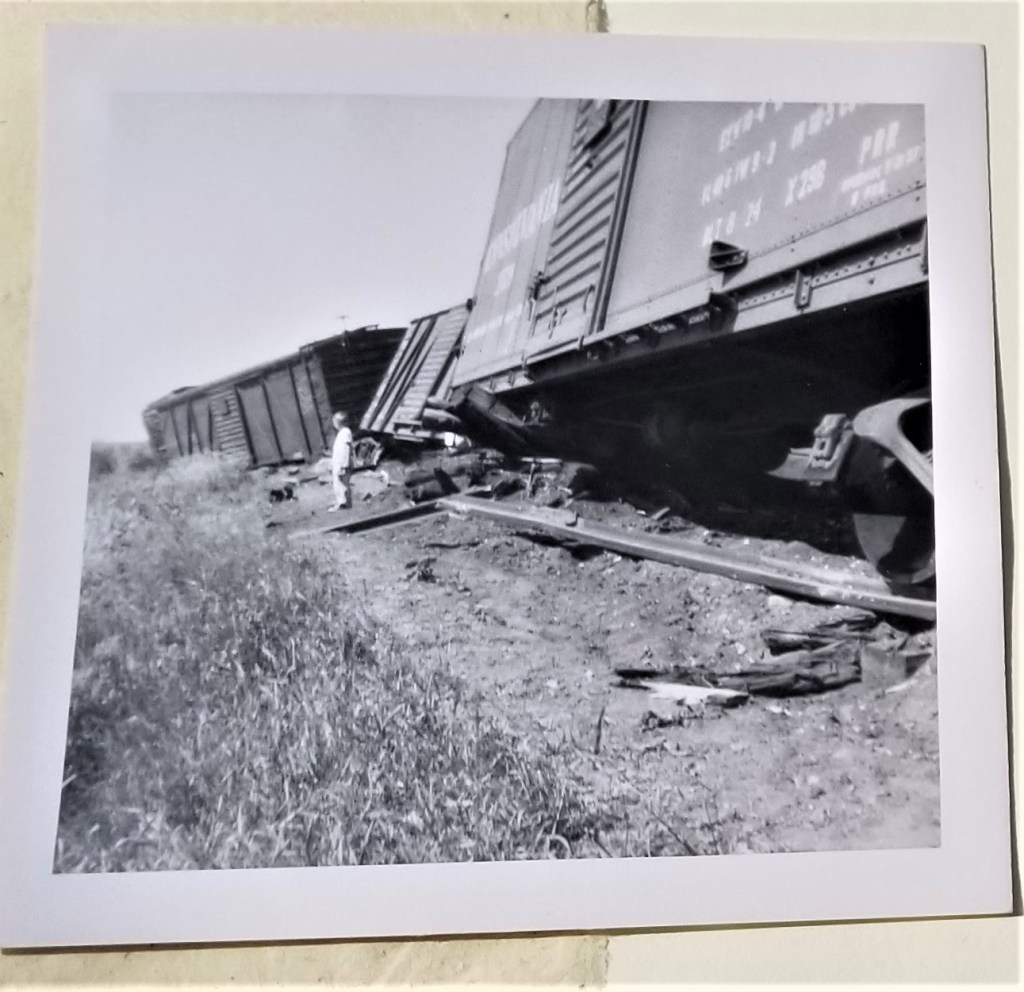
About a month before the world shut down and COVID became the primary topic of conversation, I stumbled into a new endeavor making greeting cards from vintage photographs. I soon found myself hunting through random boxes of photos and ephemera at local antique stores and flea markets, searching for the opportunity to bring forgotten memories back to life. At the time I didn’t know how meaningful this mission would be in the months to follow, or how much one particular mid-century photograph would come to represent what we are all facing today.
I was immediately taken with this photograph of a derailed train, and that was before I realized exactly what it captured. What I first saw was the obvious – chaos, debris, and a mountain of wreckage that would seem an overwhelming task to clear. But as I looked closer, what I saw made for an even more powerful image. A single person is adjacent to the tracks and the toppled cars. I don’t know the story of what he is doing there or how he arrived at this spot. All that is evident is that he appears small and still amidst a devastating scene. Most importantly, he is standing.
None of us could have predicted the circumstances we have seen manifested in the world since the beginning of this year. And while those circumstances are different for each of us, the challenges and grief over what has been lost are very real. In my circle I have loved ones who are struggling with unemployment, (both COVID and non-COVID related) health concerns, confusion about how to manage a household with everyone stuck at home, and fear about what’s to come. As I think and pray over these situations, I ask the Lord to return my heart to the truth that underlies it all, and He reminds me that we are still here. By His grace and faithfulness, we are still standing despite the wreckage.
Matthew 28:20 is God’s promise of presence. “…And surely I am with you always, to the very end of the age.” This promise is clear and intentional. It does not say that we won’t suffer or that our lives will remain comfortable. His words do not imply continuous happiness and health. Throughout His Word the message is simply that He will remain with us and we are to draw close to Him. The message is also purposeful. The Lord knows that our need for Him will always be great as we navigate life in a world that is constantly changing and ravaged by our own sin.
As we step forward together in this season, remember that you are standing. Not only are you standing, you are planted firmly on the strongest, most unshakeable promise there has ever been. Turn your eyes away from the uncertainty, confusion, and fear you see around you, and lift them to the One who has never let go of you before and certainly isn’t going to start now. He has hope-filled, abundant plans for your heart this year that reach far beyond what you can see today.
“…and provide for those who grieve in Zion— to bestow on them a crown of beauty instead of ashes, the oil of joy instead of mourning, and a garment of praise instead of a spirit of despair. They will be called oaks of righteousness, a planting of the Lord for the display of his splendor.” ~ Isaiah 61:3
As a woman, wife, and mother with a full-time job, I’m no stranger to the concept of wearing several (figurative) hats at once. While I can identify with a long list of roles, I must admit that “gardener” has never been included on that list. Historically my relationship with plants has been pretty neglectful and downright murderous, with yours truly being the guilty party in both cases. This probably explains why I enjoy randomly photographing flowers and landscapes when I’m outdoors. I feel resigned to capture and enjoy the natural beauty from a distance because in my care, living greenery tends to lose its luster – and ultimately its life.
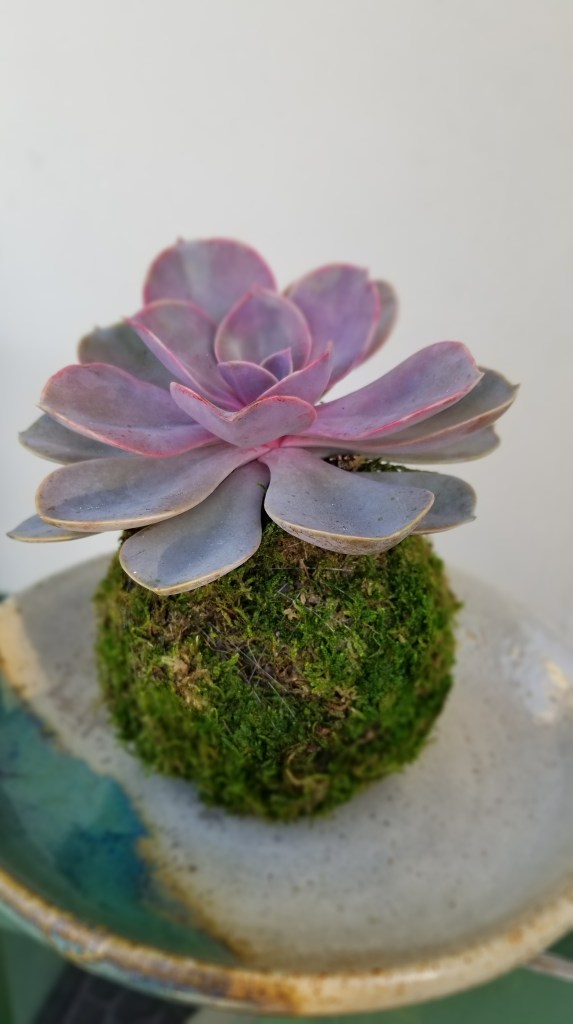
So it was quite out of character for me to purchase this lovely Kokedama for myself a couple of weeks ago. I bought it from a friend who makes botanical magic with her succulent creations. She gave me hope that Koke (yes, I went so far as to give my new plant a name) and I would become fast friends. As long as I give her plenty of natural light and soak her base in water once every couple of weeks, Koke and I should have a lasting, pleasant relationship.
Jumping into this companionship with Koke is helping to shape a new perspective for me. I have a tendency to think several steps ahead, which often hinders me from pursuing new opportunities or creative endeavors. I’ve been guilty of allowing my own thoughts and worries, lack of knowledge or experience to cause me to give up on worthwhile things. It’s a thought process based in fear, which in this case would usually prompt me to skip buying the plant to avoid my inevitably killing it. The problem is that I’d miss out on the beauty and growth as well.
This new year and new decade are calling me to a new approach. What the past has taught me about the future is that I need to be more present.
In reading about Kokedama, several words related to this style of planting have taken hold of me. The Kokedama is both humble and beautiful, the rich, colorful life growing from a simple ball of soil. It lives free from the confinement of a pot or other limiting container. Its style is related to Kusamono, which shifts the focus from one dramatic, eye-catching plant to the more simple, accentuating plants that surround and support it. It’s also closely associated with Nearai bonsai which are removed from their pots and purposefully displayed with roots exposed.



 Carrie Joy(ful)